
Magnets and Magnetic Separators
Magnetic separators remove tramp iron and steel from bulk solids before it damages equipment or reaches a customer. Annik Engineering specifies and supplies magnets for plants in Utah, Idaho, eastern Nevada, southwest Wyoming, Montana, Washington and Oregon. We have worked from Draper, Utah since 2009. We help you decide where magnets belong in the line and which type fits each point.
We also audit the magnets you already have. A magnet audit checks strength, condition and placement, and shows where protection is weak or missing.
Types we supply
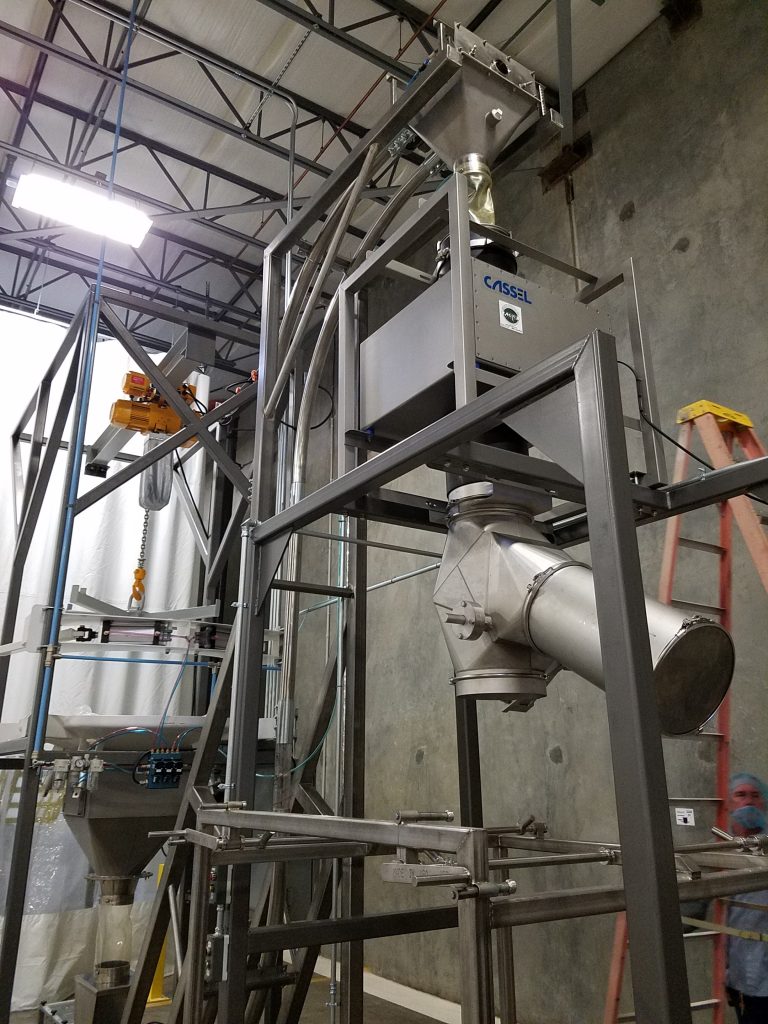
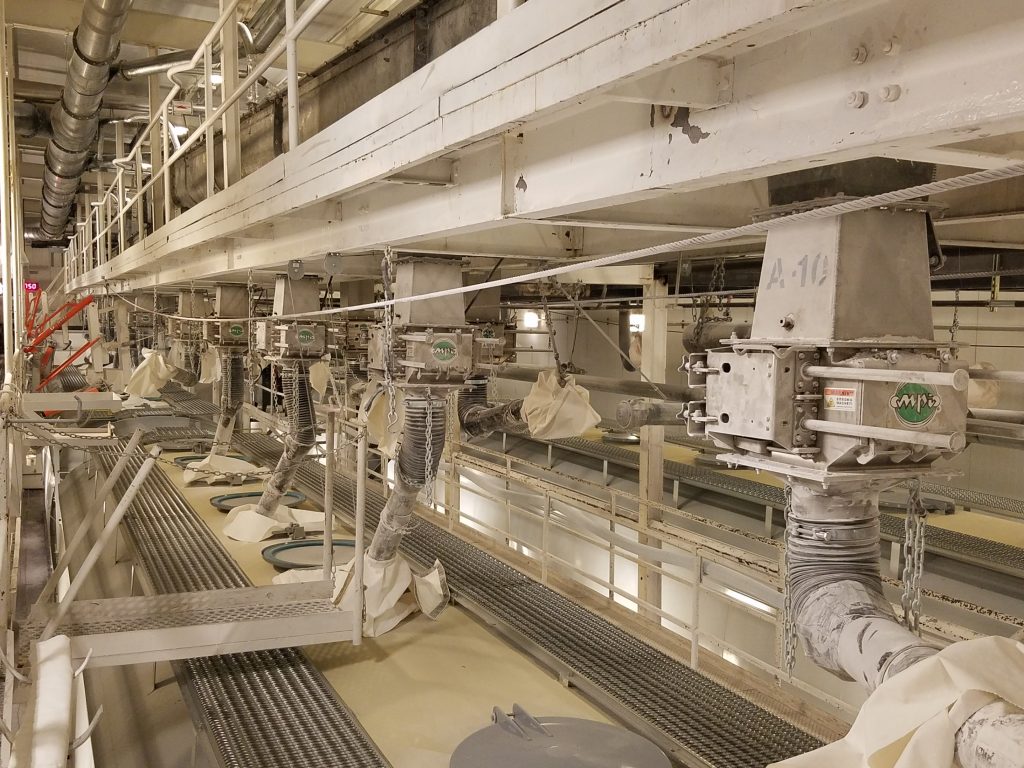
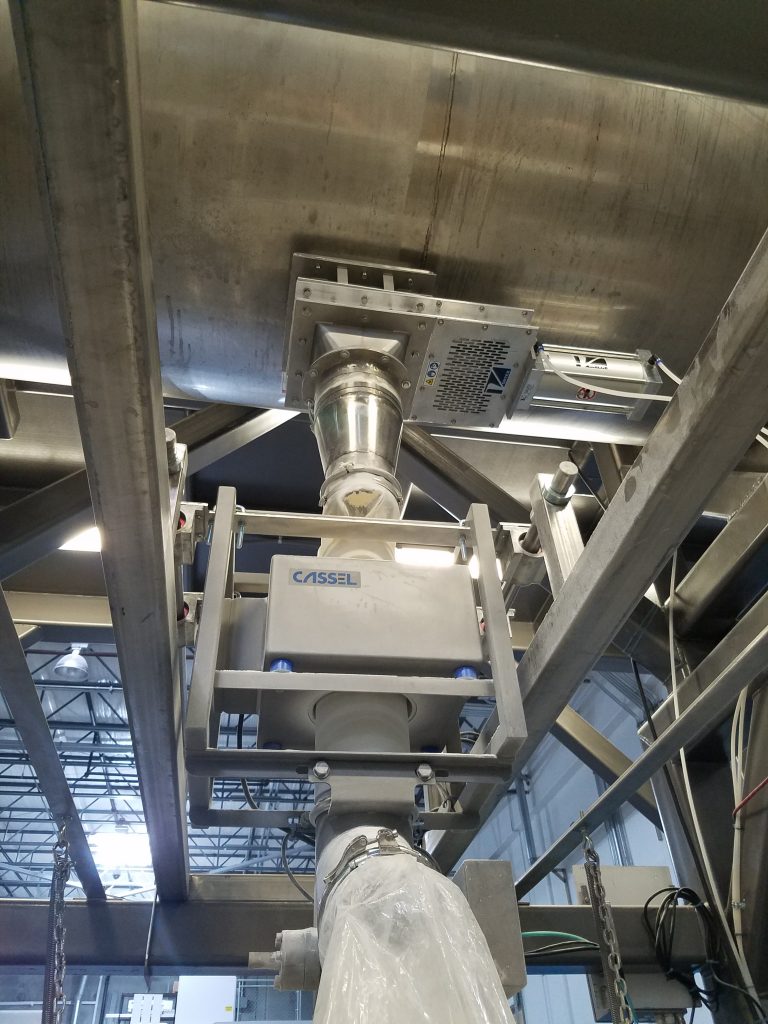
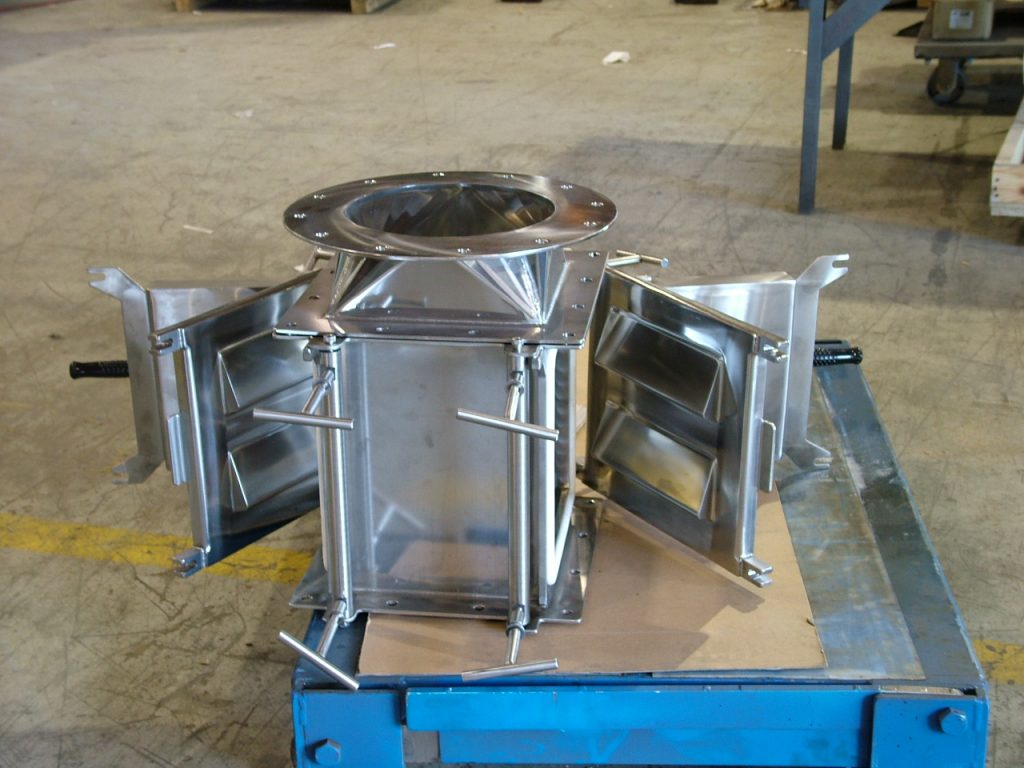
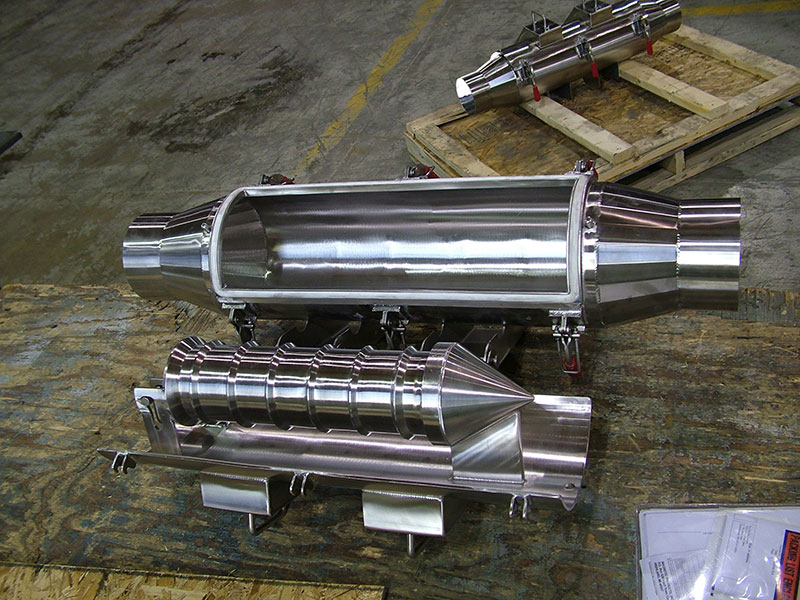
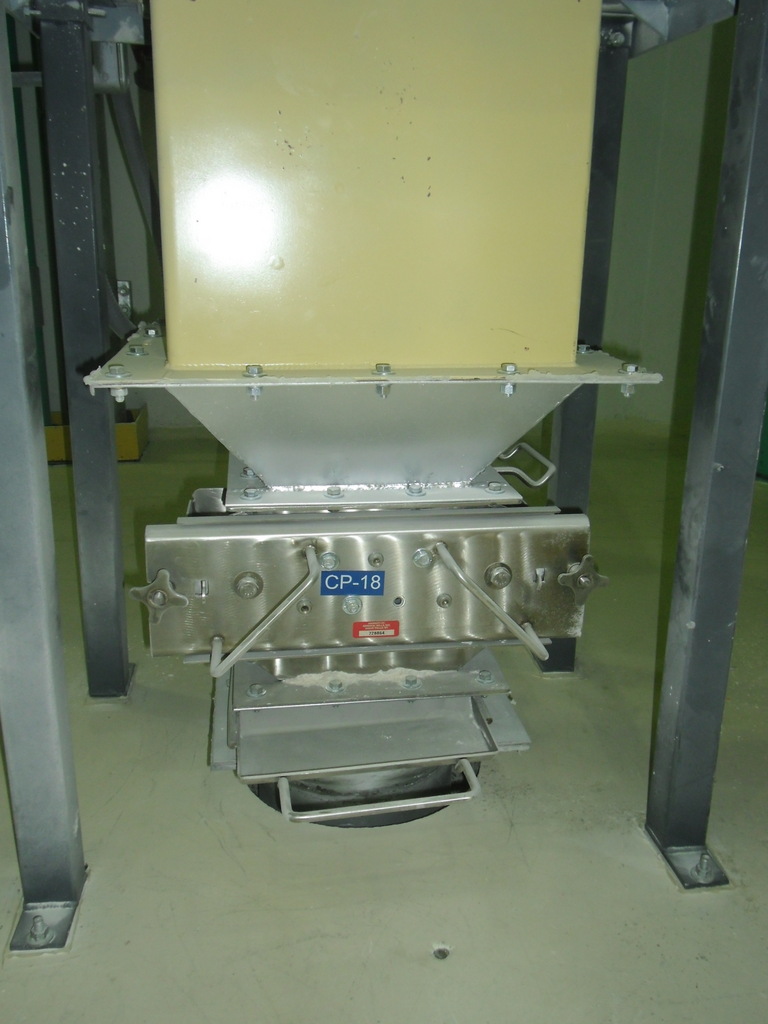
Drawer magnets. Rows of magnetic tubes sit in a housing in a gravity chute. MPI makes drawer magnets in manual clean, easy clean and self-cleaning designs.
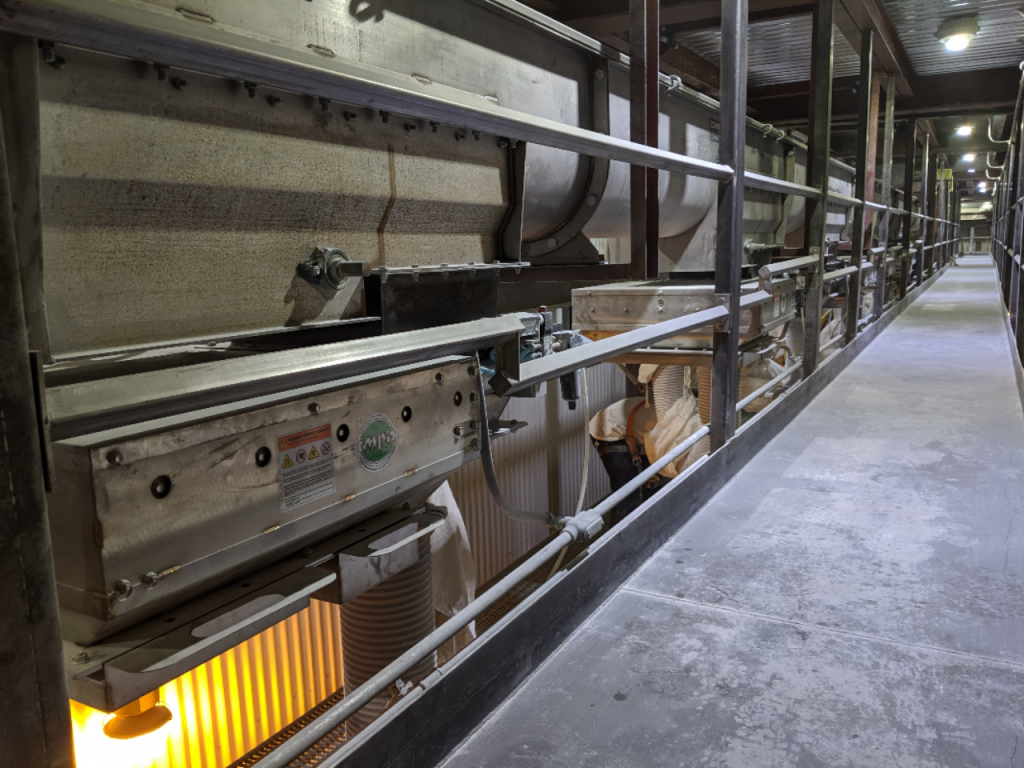
Self-cleaning magnets. Actuators pull the tubes through wiper seals so captured metal drops out without opening the housing. MPI makes self-cleaning drawer magnets that can be cycled by a plant control system.
Rare earth and ceramic magnets. Rare earth magnets provide a strong field for fine ferrous and weakly magnetic particles. Ceramic magnets provide a deeper field for larger tramp metal. MPI makes both.
Plate, grate and in-line magnets. Plate magnets mount over chutes. Grate magnets sit in hoppers. In-line magnets fit pneumatic and gravity lines. MPI makes these designs.
Cross-belt and suspended magnets. A magnet hung over a conveyor belt pulls tramp metal from the burden. MPI makes suspended and cross-belt separators.
Magnet audits
Magnets lose strength over time, get bypassed or end up in the wrong spot after a line changes. In a magnet audit we:
- Measure the pull strength of each magnet against its original rating.
- Check the condition of tubes, housings and seals.
- Review placement, so every point that needs protection has it.
- Give you a written list of what to keep, clean, repair or replace.
Audits help with food safety programs and insurance reviews. Call 801-770-3077 to schedule one.
Materials and applications
Magnets protect flour, sugar, grain, spices, nuts, cereals, pet food, feed, plastics, chemicals, minerals and recycled materials.
Typical industries include food and beverage, grain milling, sugar processing, nutraceuticals, plastics, mining and recycling. Common locations are receiving, ahead of mills and screeners, and just before packaging or loadout.
How to choose
Type of contamination. Identify the metal you expect, from fine iron particles to bolts and wire. Rare earth magnets catch fine and weakly magnetic particles. Ceramic magnets reach larger pieces deeper in the flow.
Flow and placement. Rate, chute size and material flow pattern decide the magnet style. Place protection ahead of the equipment you want to protect and before the final package.
Material behavior. Sticky or bridging powders can build up on magnet tubes. Easy clean or self-cleaning designs help.
Sanitation and food safety. Food plants often need stainless housings, cleanable designs and documented checks. Your food safety plan may set where protection is required.
Cleaning access. Magnets work only when they are cleaned. If a magnet is hard to reach, a self-cleaning design keeps it working.
Related projects
- Keeping Plant Maintenance Simple With Self-Cleaning Magnets: Amalgamated Sugar uses MPI self-cleaning drawer magnets at a rail loadout.
- How To Increase Output From 60,000 To 160,000 Lbs. Per Day While Cutting Labor In Half: HB Specialty Foods places a magnet at flour receiving.
Frequently asked questions
What is a magnet audit?
A visit where we test the strength and condition of your magnets and check that they sit in the right places. You get a written list of findings and next steps.
How often should magnets be checked?
Many plants test magnets at least once a year, and more often in food plants with a documented safety program. Cleaning intervals depend on how much metal the line carries.
What is a self-cleaning magnet?
It uses actuators to wipe captured metal off the tubes without opening the housing. It can run on a timer or from the control system.
Rare earth or ceramic?
Rare earth for fine and weakly magnetic particles. Ceramic for larger tramp metal and deeper burden. Many lines use both.
Who do I call to start?
Call Annik Engineering at 801-770-3077 to review your line or schedule a magnet audit.